9 Signs That You're A License Uk Expert
Understanding the Driving License in the UK: A Comprehensive Guide
Acquiring a driving license in the UK can be a complex yet satisfying process for lots of individuals. A driving license not only allows a specific the flexibility to drive but also represents a substantial achievement for those who have actually striven to reach this turning point. This short article aims to offer a comprehensive understanding of the various phases included in obtaining a driving license in the UK, the different kinds of licenses readily available, and important policies that drivers should adhere to.
Types of Driving Licenses in the UK
In the UK, there are a number of types of driving licenses customized to various categories of vehicles. The substantial types consist of:
Provisional License: This is the initial license that allows individuals to start discovering to drive. It allows holders to drive under particular conditions, consisting of being accompanied by a qualified driver.
Complete License: Once people pass the driving test, they are qualified for a complete license, enabling them to drive without accompanying drivers and apply for various car categories.
Special Licenses: These may include licenses for bigger cars, such as buses and trucks (Categories D and C), in addition to motorcycle licenses (Categories A and A1).
Stages to Obtaining a Full Driving License
The process of getting a full driving license in the UK involves a number of phases, which are as follows:
Step 1: Apply for a Provisional License
To start the driving journey, people should apply for a provisional driving license. The requirements for obtaining a provisional license consist of:
- Being at least 15 years and 9 months old.
- Filling out the application (D1) available at Post Offices or online.
- Providing identity verification, consisting of a passport.
- Paying the requisite cost.
Step 2: Learn to Drive
When the provisionary license is gotten, people can begin discovering to drive. They can select to:
- Enroll in driving lessons with a certified instructor.
- Practice driving with friend or family who are over 21 and have actually held a complete driving license for a minimum of three years.
Step 3: The Theory Test
Before taking the practical driving test, candidates must pass the theory test, which consists of two parts:
- Multiple-Choice Questions: Candidates must address 50 concerns based upon roadway indications, rules, and guidelines.
- Risk Perception Test: This element evaluates the candidate's capability to recognize prospective hazards through a series of video clips.
Passing the theory test is a prerequisite for arranging the useful driving test.
Step 4: The Practical Driving Test
When the theory test is cleared, people can book the useful driving test, where candidates should show their driving skills on the roadway. Secret elements examined in this test consist of:
- Driving efficiency in different traffic conditions.
- The ability to carry out maneuvers such as parallel parking and emergency situation stops.
- Observational abilities, consisting of proper usage of mirrors and signaling.
A successful practical test results in the award of a full driving license, although drivers will begin as newly qualified drivers under certain probationary limitations for the very first 2 years.
Step 5: Receive Your Full License
Upon passing the practical driving test, brand-new drivers must get their full driving license. The full license will be sent to the brand-new driver after processing the application.
Key Regulations and Obligations for Drivers
When a full driving license is gotten, drivers need to follow several crucial regulations, including:
Insurance Requirements: Drivers must have at least third-party insurance coverage to cover any damages or injuries caused to others.
Road Tax: Motorists are needed to spend for vehicle tax, frequently described as “roadway tax,” which helps keep roads.
MOT Testing: Vehicles that are more than 3 years of ages need to go through a yearly MOT test to ensure roadworthiness.
Points System: The UK utilizes a charge points system, where offenses such as speeding or running a red light can cause points on a driver's license. Accumulating drivers license uk or more points within 3 years could lead to a driving ban.
FAQs About Driving Licenses in the UK
Q: How long does it require to get a driving license in the UK?A: The time frame differs. Lots of people take a number of months to more than a year to protect their licenses, depending upon how quickly they complete the learning and testing procedure.
Q: Can I drive with a foreign driving license in the UK?A: Yes, people can drive on a foreign license for approximately 12 months before they should get a UK driving license, offered the foreign license stands.
Q: What documents are needed to request my first driving license?A: Required documents consist of proof of identity( passport ), a finished D1 application, and payment for the application cost. Q: Are there any age constraints for certain lorry categories?A: Yes, different automobile categories have particular minimum age requirements. For instance, you should be 17 to drive a car however only 16 to ride a moped. Q: What happens if I fail my driving test?A: If applicants do not pass their driving test
**on the first effort, they can re-book for another test
. However, there is no compulsory waiting period, although it is a good idea to practice even more before trying once again. Acquiring a driving license in the UK involves numerous steps, from requesting a provisional license to
passing both theory and useful examinations. This process is not just a legal requirement however likewise a personal achievement that promotes self-reliance and mobility. Comprehending the regulations and responsibilities that come with holding a driving license guarantees a much safer and more responsible driving culture across the UK's roadways. With the right preparation and knowledge, striving drivers can start their journey with self-confidence and success. 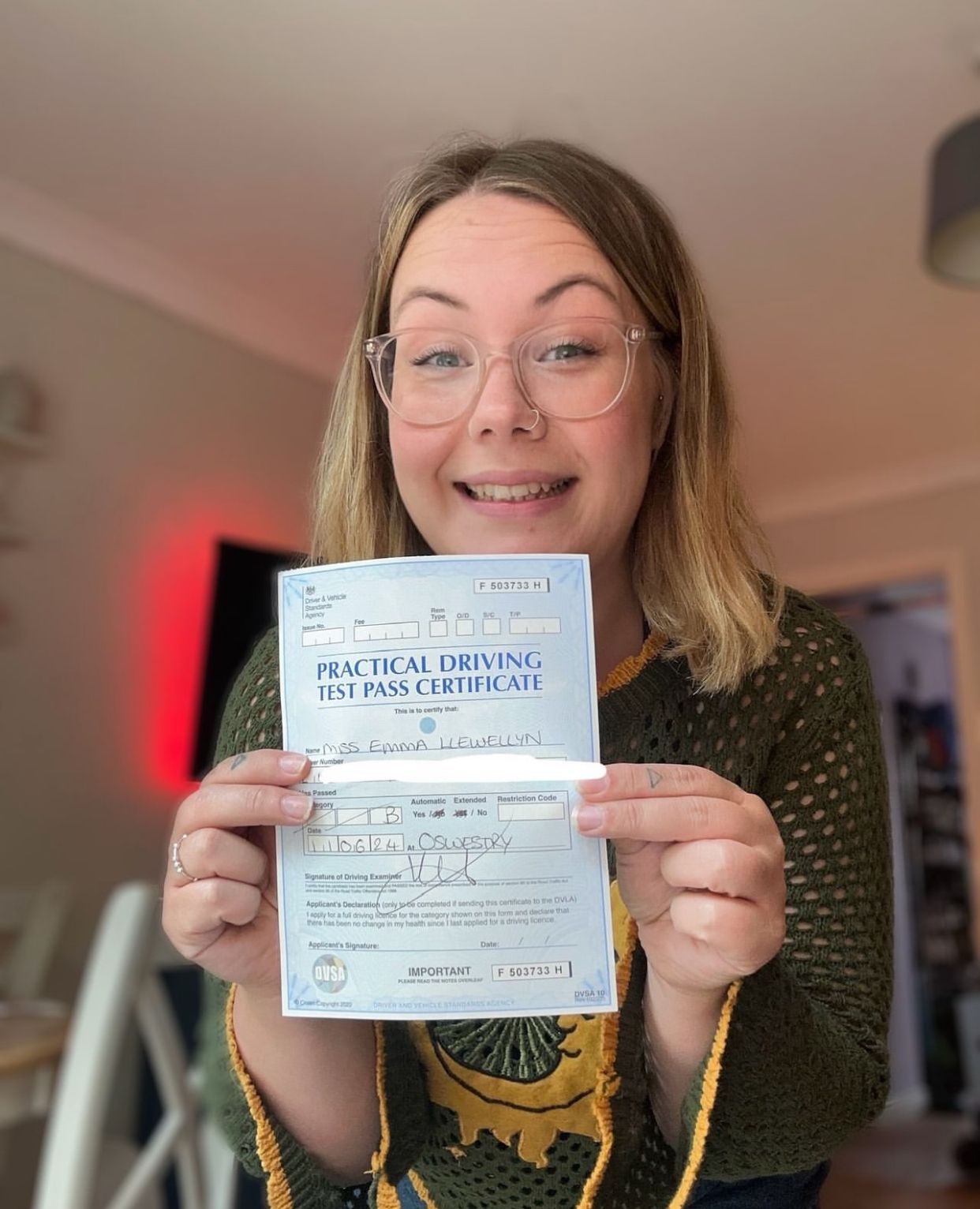 **
**